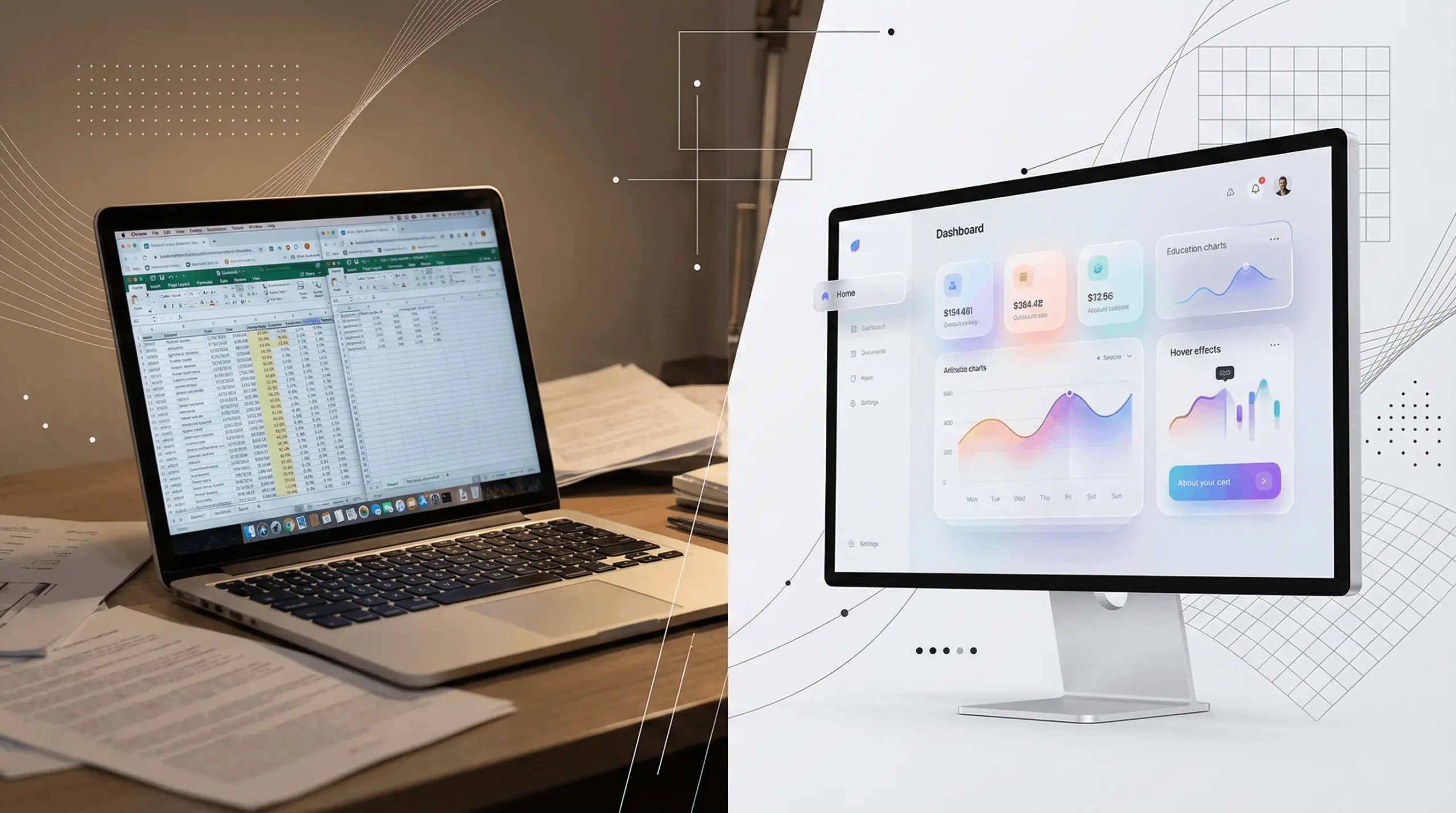
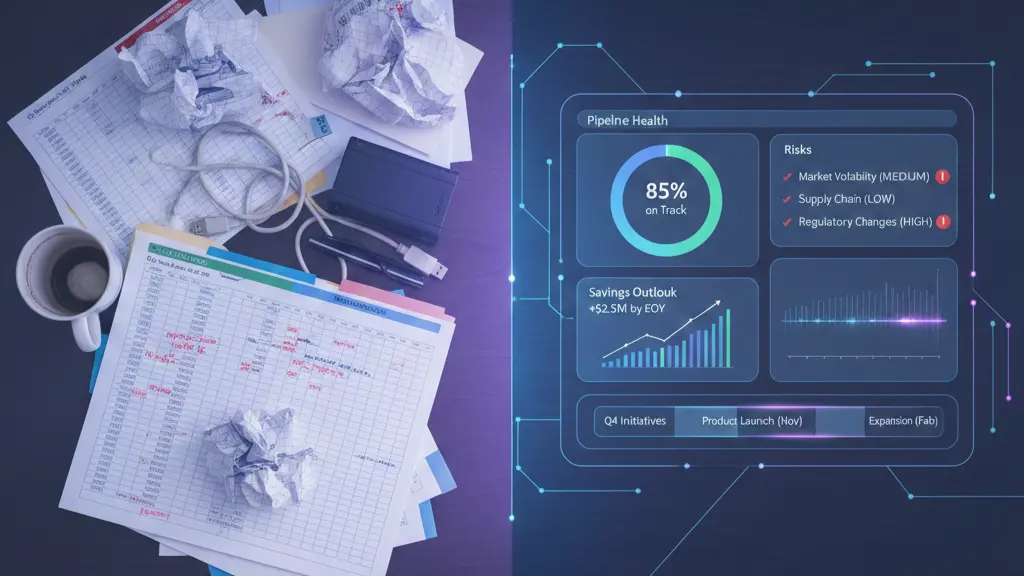
In previous years, teams tolerated the chaos because traditional procurement systems were too rigid. They required teams to adapt their workflow to the software—not the other way around.
But that’s changing fast.
Three forces driving the shift:
1. Procurement’s role has expanded
Procurement is no longer an administrative function. It is:
A value-generation engine
A risk-management layer
A strategic partner to finance
A contributor to ESG and supplier governance
A central part of digital transformation
Excel cannot deliver the visibility required for this modern mandate.
2. AI has entered the mainstream
Procurement’s work is full of:
narrative explanations
timeline shifts
weekly updates
risk commentary
contract analysis
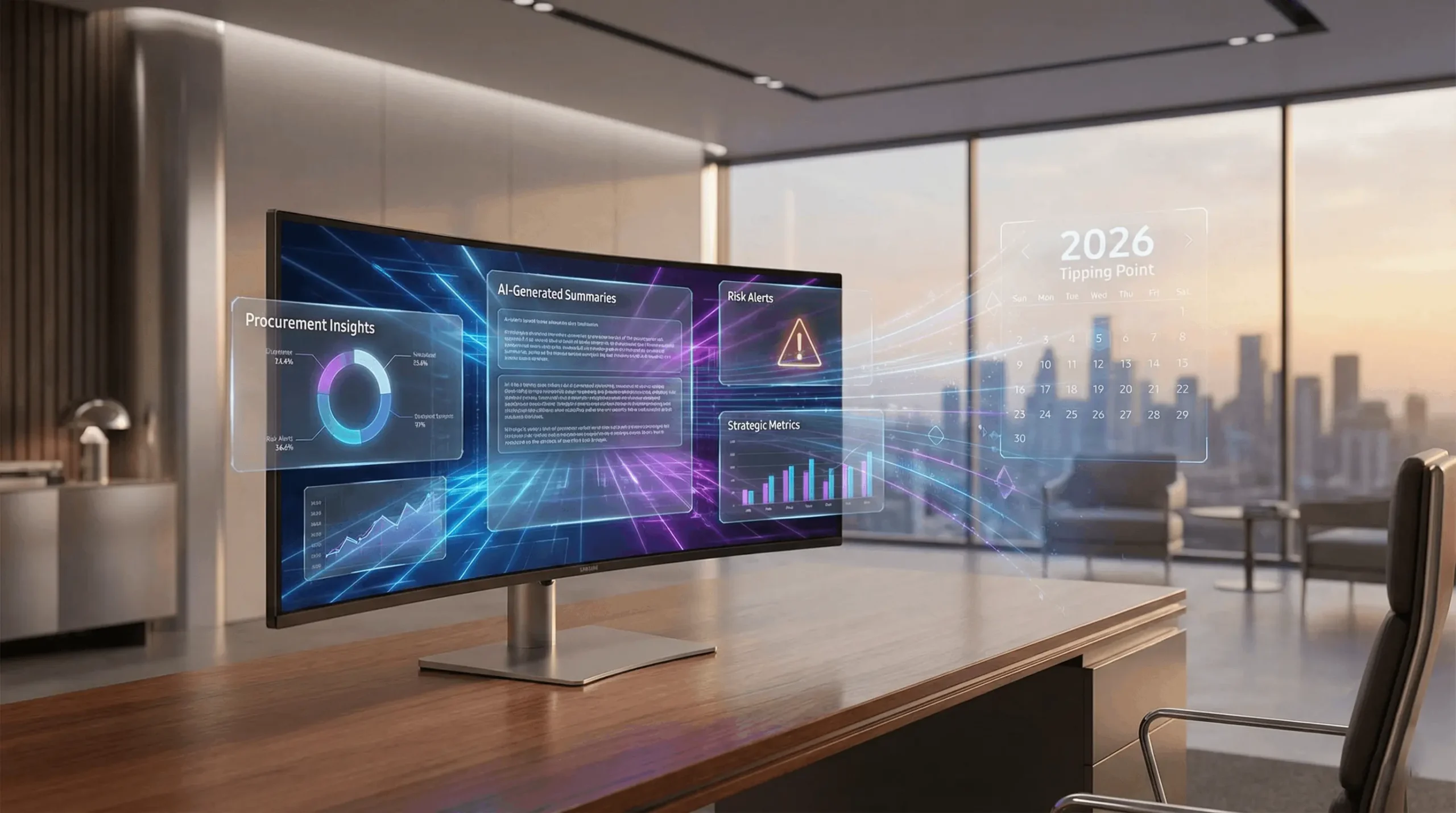
AI is unlocking a new category of intelligence that spreadsheets simply cannot access.
3. Flexible, Excel-like platforms now exist
Historically, teams had to choose:
Excel (flexible but chaotic)
or
Procurement systems (structured but rigid)
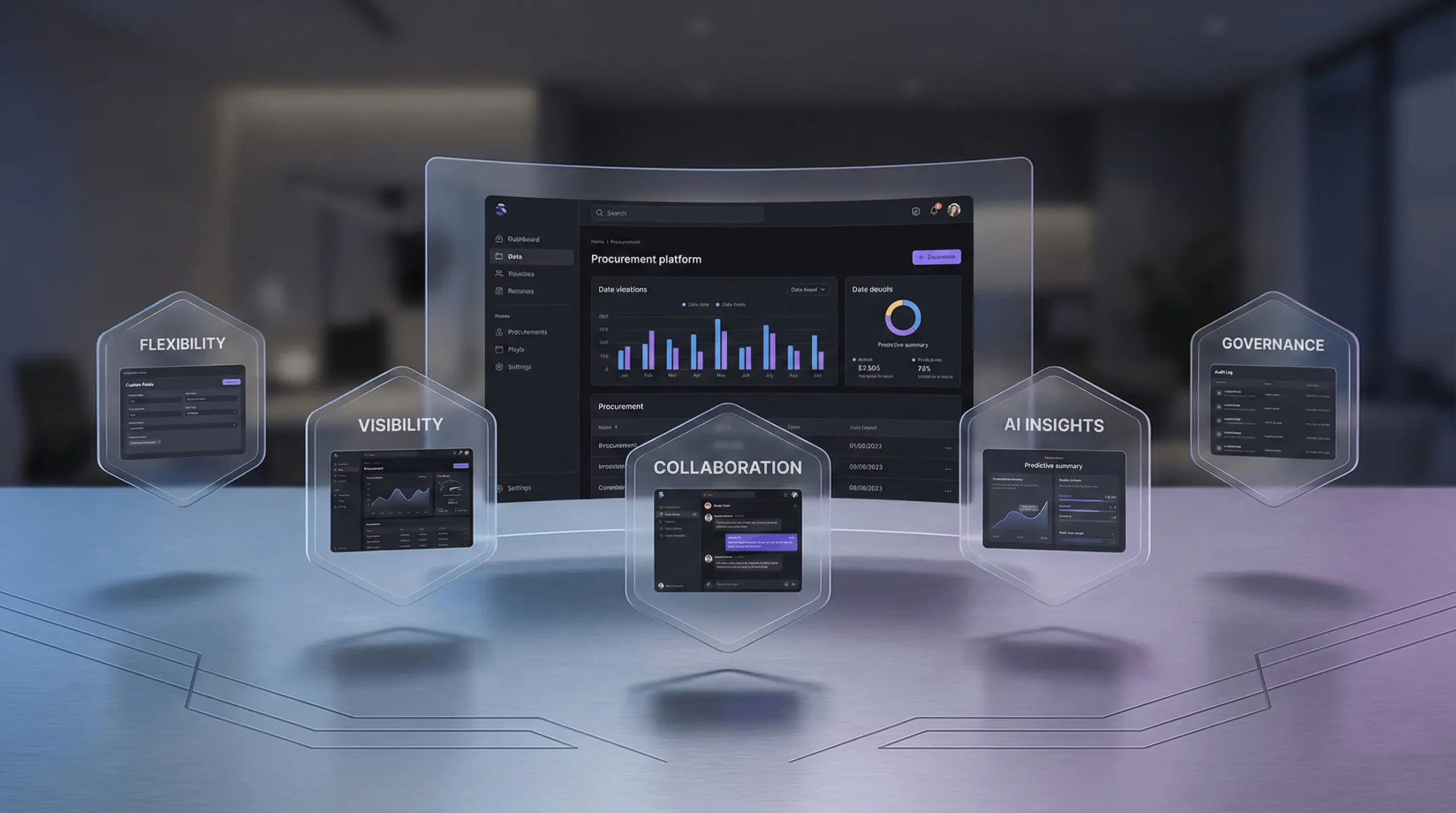
In 2026, platforms like ProcureOptima finally bridge that gap.