Before we talk about change, we must acknowledge why Excel became—and remains—the default procurement system.
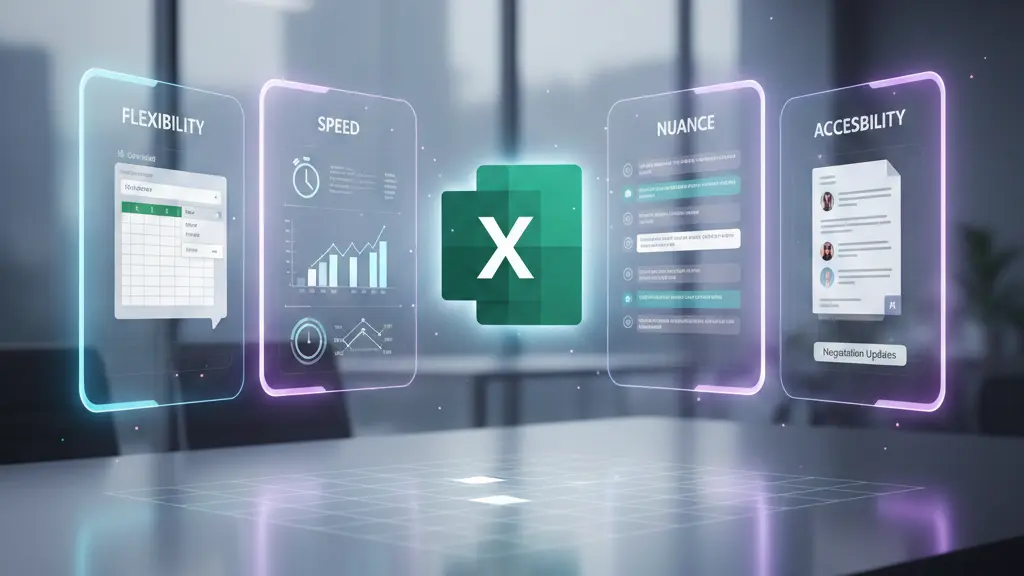
1. It’s infinitely flexible
Procurement is messy and dynamic. Stakeholders change requirements. Suppliers negotiate new terms. Savings evolve mid-project. One initiative may require seven fields, while another requires twenty.
Rigid tools collapse under that variability.
Excel adapts instantly.
2. It’s simple and accessible
Everyone already knows how to use Excel. There’s no onboarding, no IT involvement, no procurement system training.
Open a file → start tracking.
3. It supports nuance
Procurement isn’t just numbers. It’s negotiation context, risks, comments, dependencies, back-and-forth updates, and narrative explanations. Excel allows teams to add that nuance however they want.
4. It’s fast
No loading screens. No workflows. No mandatory fields. No dropdowns that don’t match your business.
Excel lets procurement teams move at their natural speed.
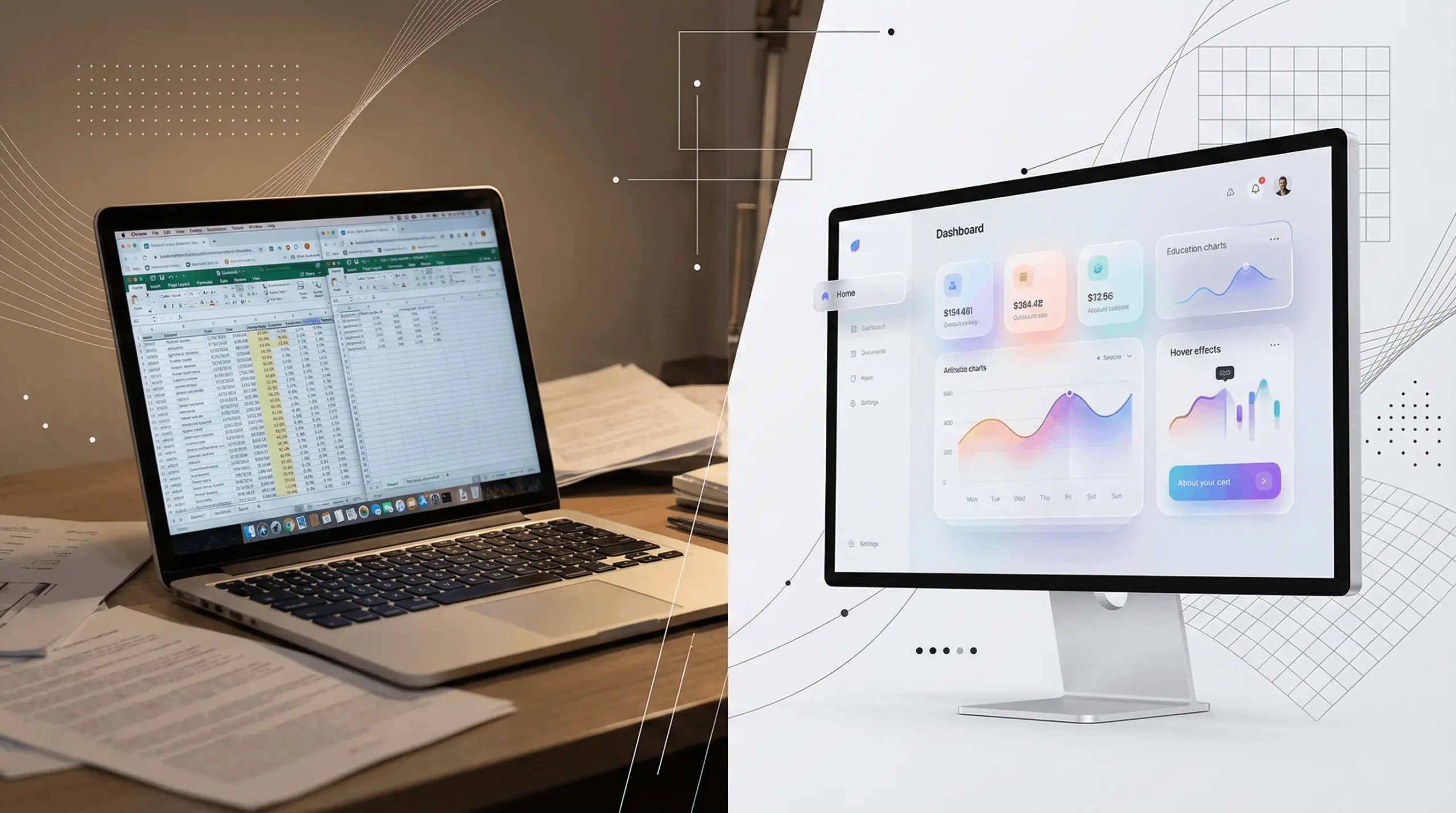
5. It’s “good enough” — until it’s not
Most procurement processes start small. One buyer. One spreadsheet. One category.
And then the team scales…
and complexity scales with it.