Introduction
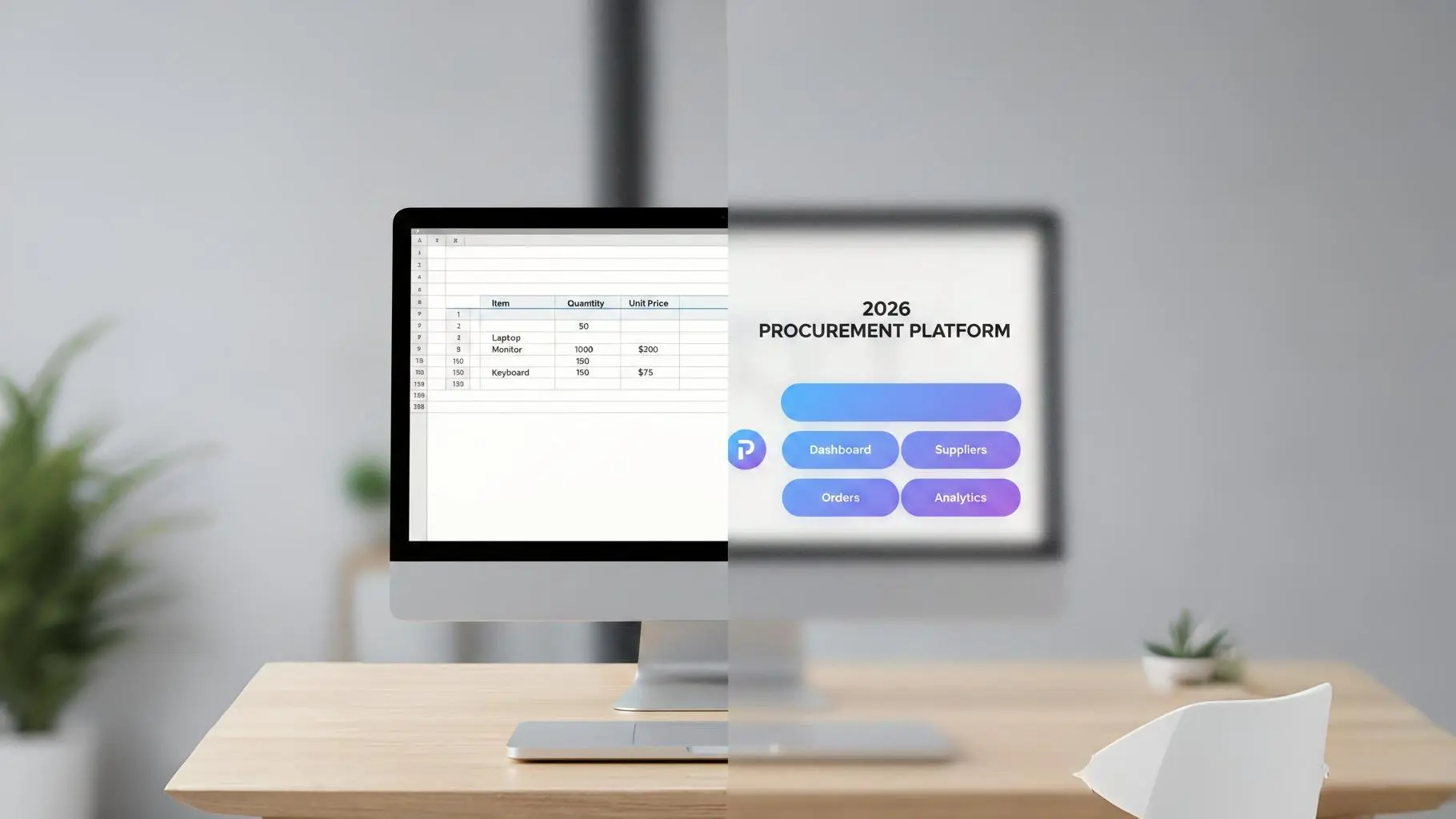
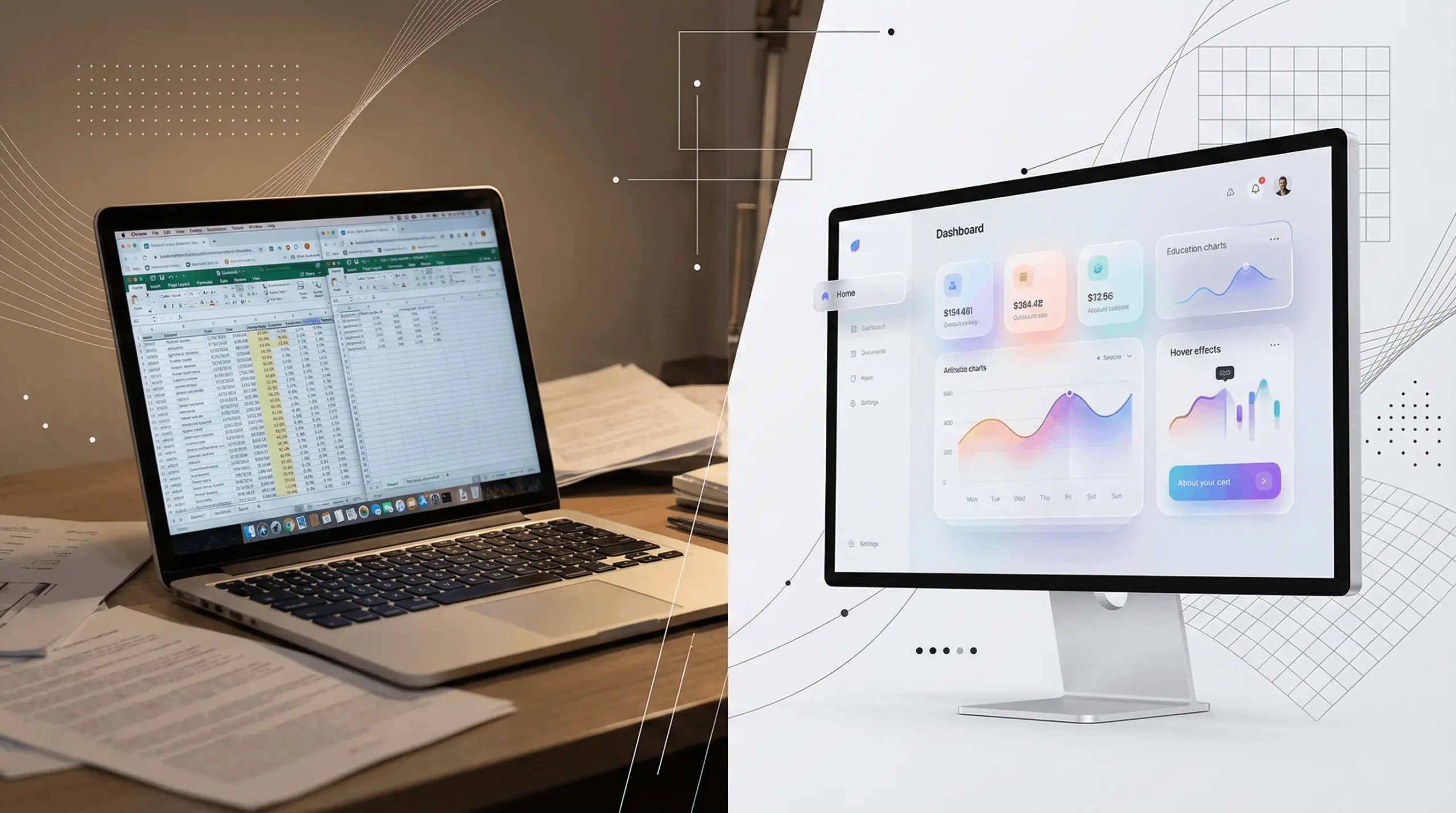
For more than two decades, Excel has quietly powered the inner workings of procurement teams across the world. Whether you walk into a global manufacturer, a financial services leader, or a fast-growing retail brand, you’ll find one universal truth: procurement lives in spreadsheets.
The pipeline? Excel.
Savings tracker? Excel.
Spend cube? Excel.
Supplier list? Excel.
Contract metadata? Excel (usually buried in multiple tabs).
And the reasoning makes perfect sense. Excel offers freedom. It lets teams document work in a way that matches their thinking—not the way a rigid system expects them to think. You can add a column instantly. Reorder fields. Capture nuance. Build formulas. Colour-code statuses. Make it yours.
But as procurement evolved, Excel didn’t. And in 2026, the cracks are impossible to ignore.
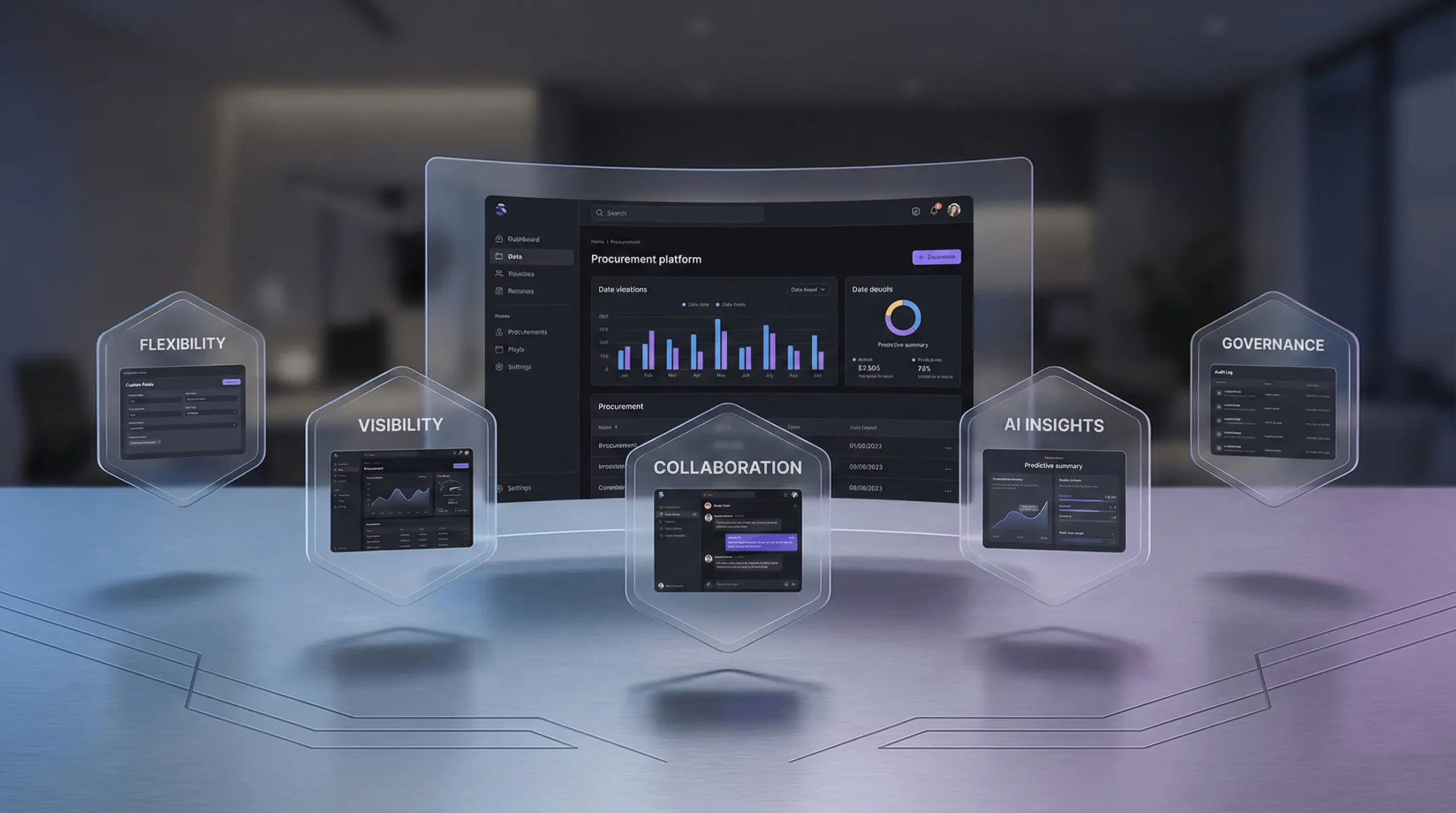
In this article, we explore why procurement still runs on Excel, the hidden costs of that dependence, and why organisations are now shifting toward flexible, intelligent platforms that preserve Excel’s strengths while eliminating its weaknesses.